House Republicans Fail to Stop Passage of Trump's Big Bill
Donald Trump signed the legislation, titled "One Big Beautiful Bill Act", into law during an Independence Day observance on the White House lawn.
This 870 page budget reconciliation bill makes sweeping changes to the American economy. Key parts of the act include cuts to Medicare, food assistance, and clean energy subsidies. The changes to Medicaid and the Affordable Care Act will cause approximately 17 million Americans to lose health insurance.
_public_domain.jpg)
Debt set to increase by more than $3 trillion
Spending reductions in the bill are outweighed by revenue lost to tax cuts for high earners. The net effect of new and renewed cuts is highly regressive; income for the poorest quintile of households will fall, while those in the top 0.1% stand to gain an additional $118,000. The resulting increase in the deficit will add between 3 and 5 trillion dollars to the national debt.
The Congressional Budget Office estimated that economic stimulus from these tax cuts would add only 0.5% to GDP over the next ten years, an order of magnitude less than would be needed to offset the loss of revenue. A Penn Wharton study estimated GDP would contract 3.6 percent if provisions of the bill currently written with sunset dates were to become permanent.
Police state expansion
An area receiving markedly increased funding is the administration's pursuit of ethnic cleansing. Detaining and deport Hispanic Americans on a massive scale, the Immigration and Customs Enforcement agency (ICE) had already exceeded its fiscal year 2025 budget and has been unable to provide estimates for its future spending. Under the new bill, ICE will receive an additional $45 billion for detention facilities and $30 billion for personnel. This three-fold total increase to $170 billion now places ICE's funding above:
- the FBI, DEA, ATF, US Marshalls, and Bureau of Prisons combined
- the Marine Corps
- the entire military of any country besides the United States or China
Existing detention facilities are 40% over nominal capacity due to holding over 59,000 people recently detained by ICE. Contrary to official rhetoric about violent immigrants, ICE data shows that about 79% of detainees are only charged with immigration or traffic violations, if they have been charged at all. Law enforcement agencies have been pulled off of criminal investigations to support demands by presidential adviser Stephen Miller to arrest 3,000 people daily. The result has been indiscriminate arrests of legal immigrants, illegal immigrants, tourists, and citizens alike.
A makeshift concentration camp dubbed "Alligator Alcatraz" was just built in Florida to handle this excess of prisoners. Trump said he would like similar facilities to be built in other states. The Florida camp's construction was funded with FEMA dollars originally meant for humanitarian assistance, but the new budget would undoubtedly allow many more facilities to be built.
Republican opposition failed to materialize
Passage of the bill represents a major blow to the aims of the Republican Party, which for generations has emphasized personal liberty and fiscal responsibility. Kentucky senator Rand Paul was a leading Republican critic of the bill, citing its effect on the deficit.
Loss of healthcare will be most acute in rural areas that are traditionally Republican strongholds. In both his presidential terms, Donald Trump repeatedly promised that Medicaid would not be cut. North Carolina senator Thom Tillis called out Trump's broken promise and voted against the bill because of the expected harm its healthcare provisions would bring to his state. As recently as July 2nd, Trump warned House Republicans not to touch Medicare, Medicaid, or Social Security - directly contradicting the very bill he was urging them to pass. Trump's confusion about the content of his own administration's signature legislation adds to a growing list of concerns about the 79 year-old's apparent cognitive decline.
Lisa Murkowski of Alaska was convinced to lend a deciding vote to passage in the Senate by the inclusion of special exemptions to protect her own state from some of the bill's harmful effects. Murkowski later said she hoped the bill would not pass the House without further revisions.
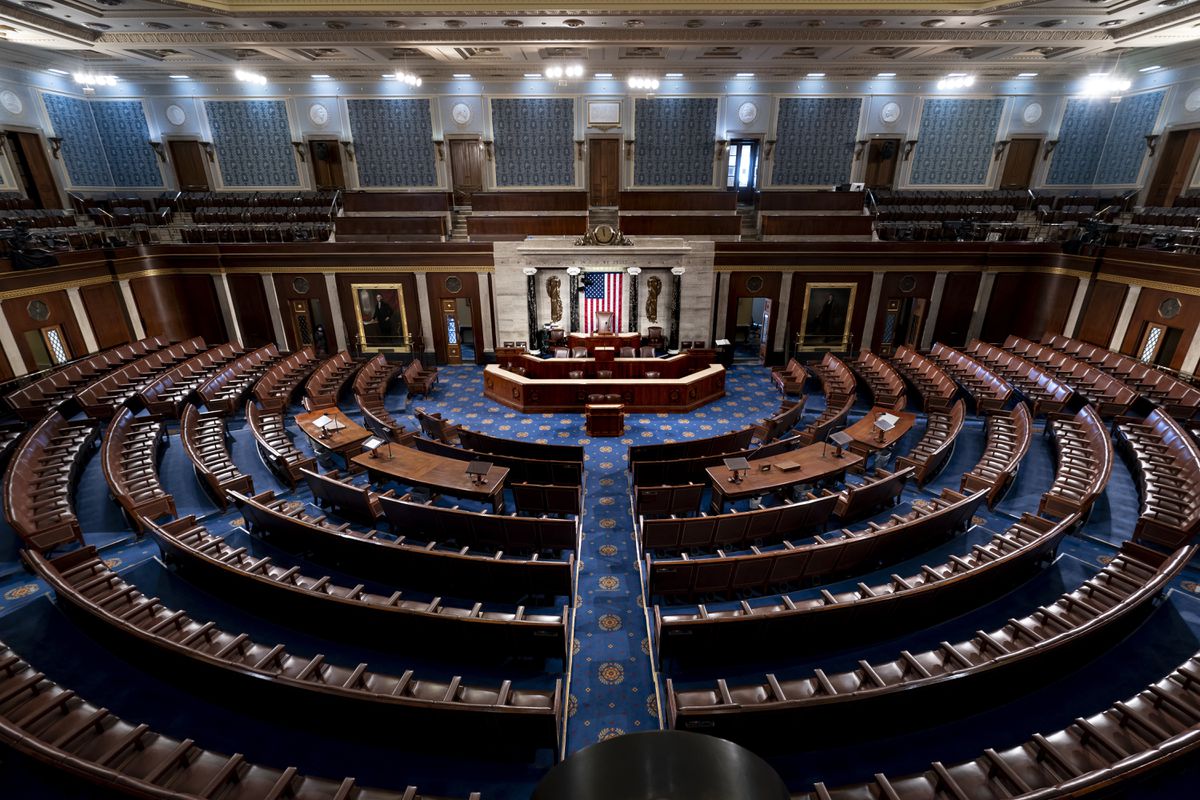
Republicans' concerns about healthcare and the deficit delayed a vote in the House of Representatives by only a few hours. Despite their stated opposition, most Republicans ultimately capitulated over fears that Trump would endorse primary challengers to their seats. Among House Republicans, only Thomas Massie of Kentucky and Brian Fitzpatrick of Pennsylvania joined with the unanimous Democrats to vote against the bill. It narrowly passed 218-214, underlining the high stakes of elections still to come.